IF YOU ARE IN IMMEDIATE DANGER, CALL OR TEXT 988 TO CONNECT WITH THE SUICIDE & CRISIS LIFELINE
SUPPORT IS AVAILABLE 24/7
IF YOU ARE IN IMMEDIATE DANGER, CALL OR TEXT 988 TO CONNECT WITH THE SUICIDE & CRISIS LIFELINE
SUPPORT IS AVAILABLE 24/7
IF YOU ARE IN IMMEDIATE DANGER, CALL OR TEXT 988 TO CONNECT WITH THE SUICIDE & CRISIS LIFELINE SUPPORT IS AVAILABLE 24/7 IF YOU ARE IN IMMEDIATE DANGER, CALL OR TEXT 988 TO CONNECT WITH THE SUICIDE & CRISIS LIFELINE SUPPORT IS AVAILABLE 24/7


Our Mission
The Danny Boy Foundation is a federally recognized 501(c)(3) nonprofit advancing evidence-informed suicide prevention for neurodivergent individuals.
We focus on early intervention, affirming care, system-level change, and practical support that reduce isolation, shame, and daily strain before crisis begins.

Our Vision
We envision a future in which neurodivergent individuals are understood and supported across schools, workplaces, healthcare systems, faith communities, and homes.
A future where prevention is proactive, where systems don’t demand conformity, and where belonging is recognized as a protective factor against suicide.

-
Research consistently shows that neurodivergent individuals face significantly higher rates of suicidal ideation, attempts, and death.
This includes individuals who are autistic, have ADHD, learning differences, sensory processing differences, and other neurodevelopmental profiles.
This is not about individual weakness. It is driven by environments that fail to understand and support neurodivergent people.
Misunderstanding and invalidation
Exclusion, bullying, and marginalization
Masking, burnout, and identity exhaustion
Barriers to affirming care
Financial and structural inequities
Effective prevention must address these drivers directly.
Our Story


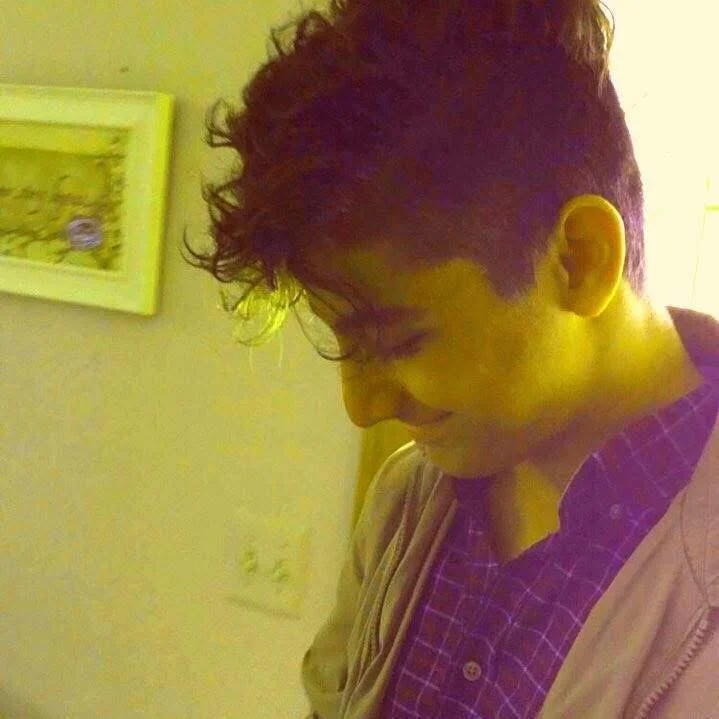
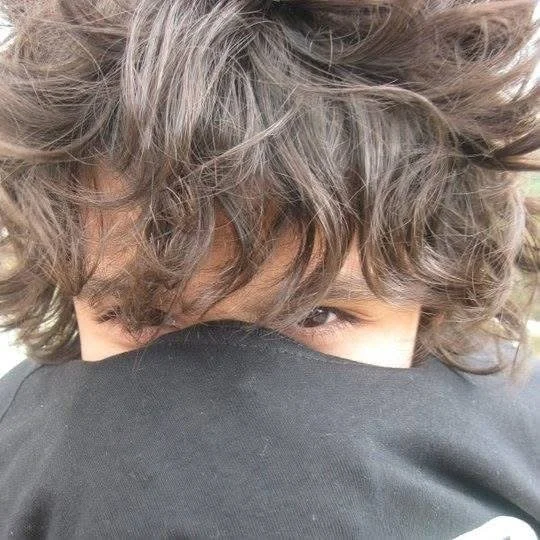

The Danny Boy Foundation was created in honor of Danny Ashtiani, who died by suicide at 17.
Danny was intellectually gifted and had ADHD, a twice-exceptional profile that is frequently misunderstood within educational, healthcare, and community systems. Too often, his support needs were not recognized in ways that could have altered his trajectory.
His life, and his loss, catalyzed our commitment to building systems that respond earlier, more accurately, and more affirmingly to neurodivergent individuals.
We know that when neurodivergent individuals are affirmed early, supported consistently, and surrounded by responsive environments, outcomes improve.
This foundation exists so fewer families ever face the preventable question:
What if someone had understood sooner?
Our Founders
Governance with integrity.
Leadership with accountability.
The Danny Boy Foundation is guided by experienced leadership and governed by an independent Board of Directors committed to ethical stewardship, strategic growth, and measurable impact.
Our leadership structure reflects best practices in nonprofit governance, ensuring both strong executive management and responsible board oversight.
Dr. Hasti Raveau, PhD, LP
Ryleigh Kryska, LMSW
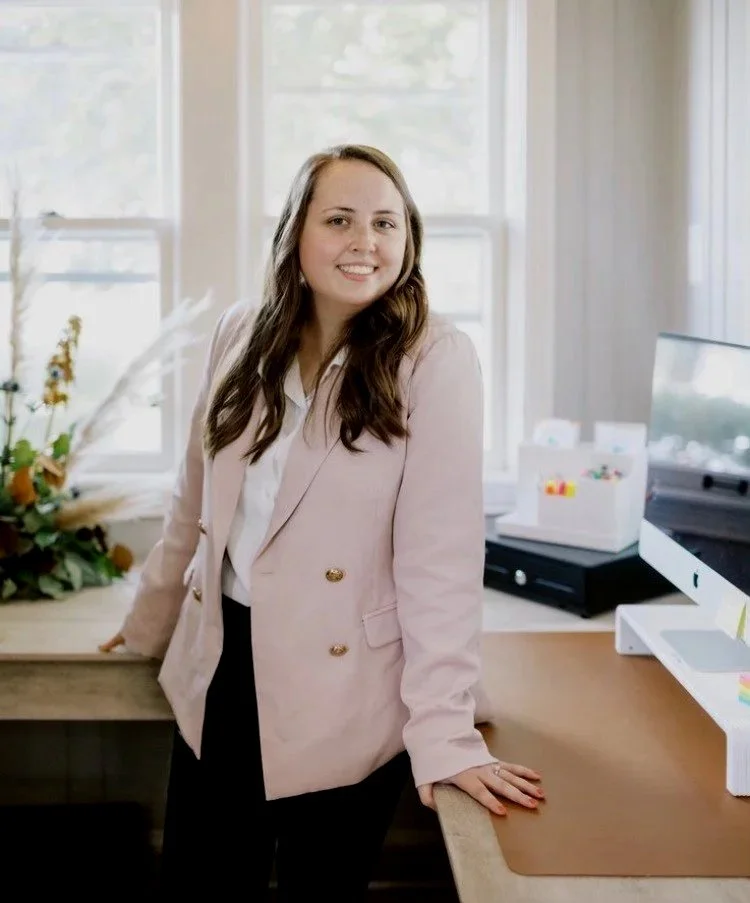

Co-Founder, President
Co-Founder, Vice President
-
Ryleigh Kryska serves as Presider and co-founder of the Danny Boy Foundation and provides strategic leadership in advancing the organization’s mission to prevent suicide in neurodivergent individuals.
A licensed social worker with extensive experience in community-based care, Ryleigh has led initiatives focused on food security, case management, and reducing barriers to essential resources. Her work centers on dignity-driven service delivery and operational sustainability.
As President, she guides the foundation’s strategic direction, partnerships, and long-term development.
-
Dr. Hasti Ashtiani Raveau is the Vice President and co-founder of the Danny Boy Foundation and oversees program development, clinical strategy, training initiatives, and implementation.
A licensed clinical psychologist and founder of the Mala Child & Family Institute, Dr. Raveau brings extensive expertise in trauma-informed care, neurodevelopmental differences, suicide prevention, and systems-level reform.
The foundation was established in memory of her brother, Danny Ashtiani, whose life continues to shape the organization’s commitment to prevention rooted in affirmation, access, and structural change.
She leads the integration of research, clinical knowledge, and institutional training into scalable prevention efforts.
Why We Started Danny Boy Foundation
When we first started talking about building the Danny Boy Foundation, it felt like something we had been carrying for a long time.
We both come from communities where resources were limited, where mental health wasn’t openly talked about, and where people were expected to just keep going, no matter how heavy things got.
We’ve both seen what happens when support isn’t there. Or when neurodivergent people are struggling, but there’s no language for it. And we’ve both loved people who were impacted by that who needed more than what was available. That stays with you.
Too often, by the time support shows up, it’s already crisis. We couldn’t unsee that. And at some point, it stopped being a conversation and became a responsibility.
What would it look like to build something different?
Something that shows up earlier?
Something that actually meets people where they are?
The Danny Boy Foundation came from lived experience, grief, frustrations, love, and from knowing, deeply, that things could be better than this. We’re building something that doesn’t wait until people are at their breaking point. Something that sees neurodivergent individuals as they are, and supports them in ways that are affirming, practical, and real.
We’re simply people who have lived close to this, who have felt the gaps, and who chose to do something about it. And we’re just getting started.
If this resonates with you, we’d be honored to have you be part of it.
Our Commitment to Integrity
The Danny Boy Foundation is committed to transparency, ethical stewardship, and measurable impact. Our governance model emphasizes accountability, responsible growth, and evidence-informed strategies designed for long-term change.
We are building for long-term public trust, measurable outcomes, and responsible stewardship.