IF YOU ARE IN IMMEDIATE DANGER, CALL OR TEXT 988 TO CONNECT WITH THE SUICIDE & CRISIS LIFELINE
SUPPORT IS AVAILABLE 24/7
IF YOU ARE IN IMMEDIATE DANGER, CALL OR TEXT 988 TO CONNECT WITH THE SUICIDE & CRISIS LIFELINE
SUPPORT IS AVAILABLE 24/7
IF YOU ARE IN IMMEDIATE DANGER, CALL OR TEXT 988 TO CONNECT WITH THE SUICIDE & CRISIS LIFELINE SUPPORT IS AVAILABLE 24/7 IF YOU ARE IN IMMEDIATE DANGER, CALL OR TEXT 988 TO CONNECT WITH THE SUICIDE & CRISIS LIFELINE SUPPORT IS AVAILABLE 24/7

Danny’s Story
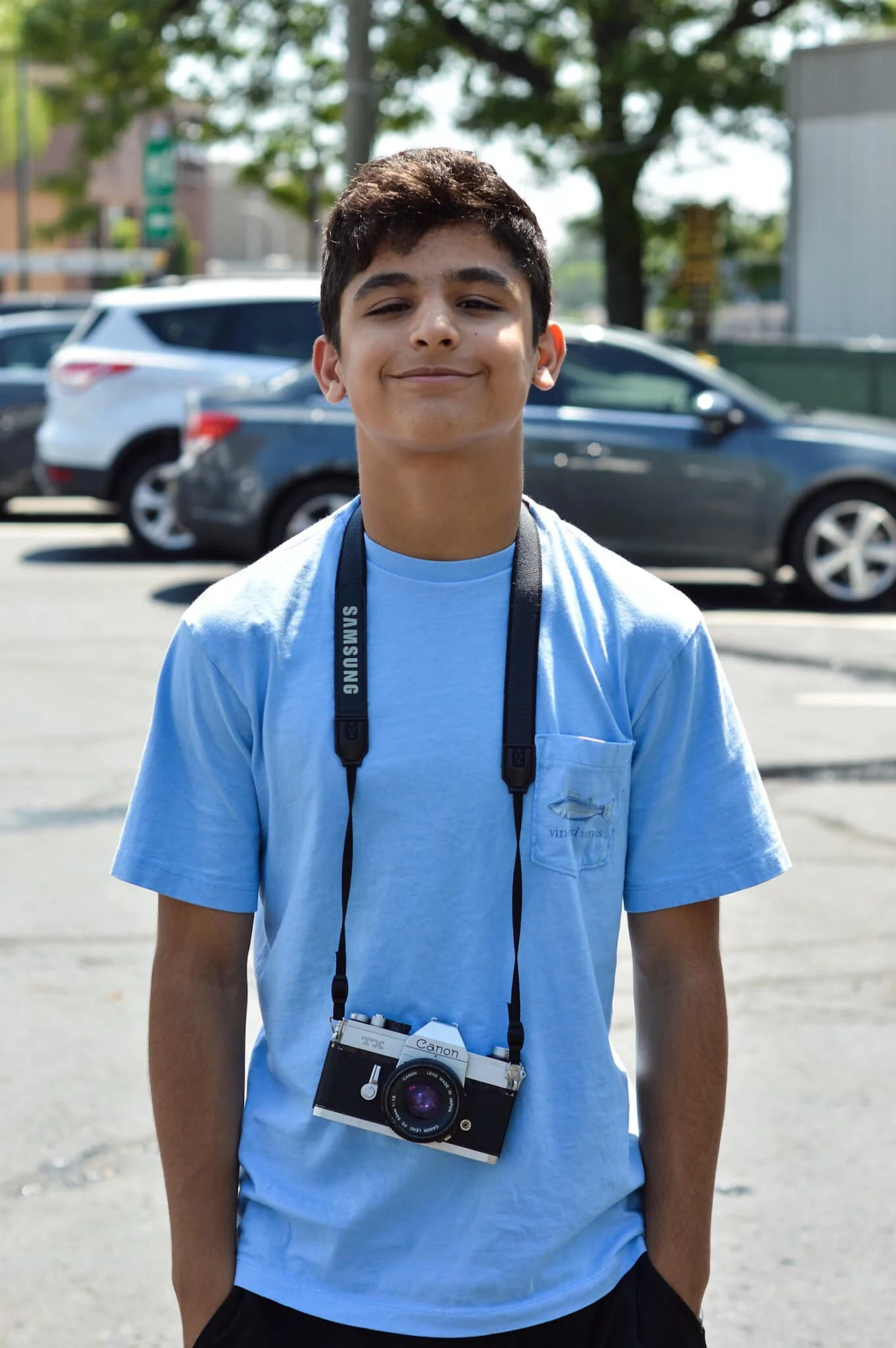
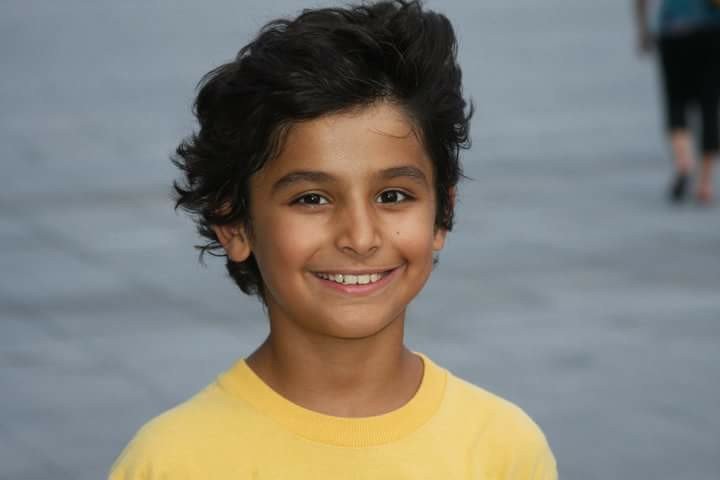
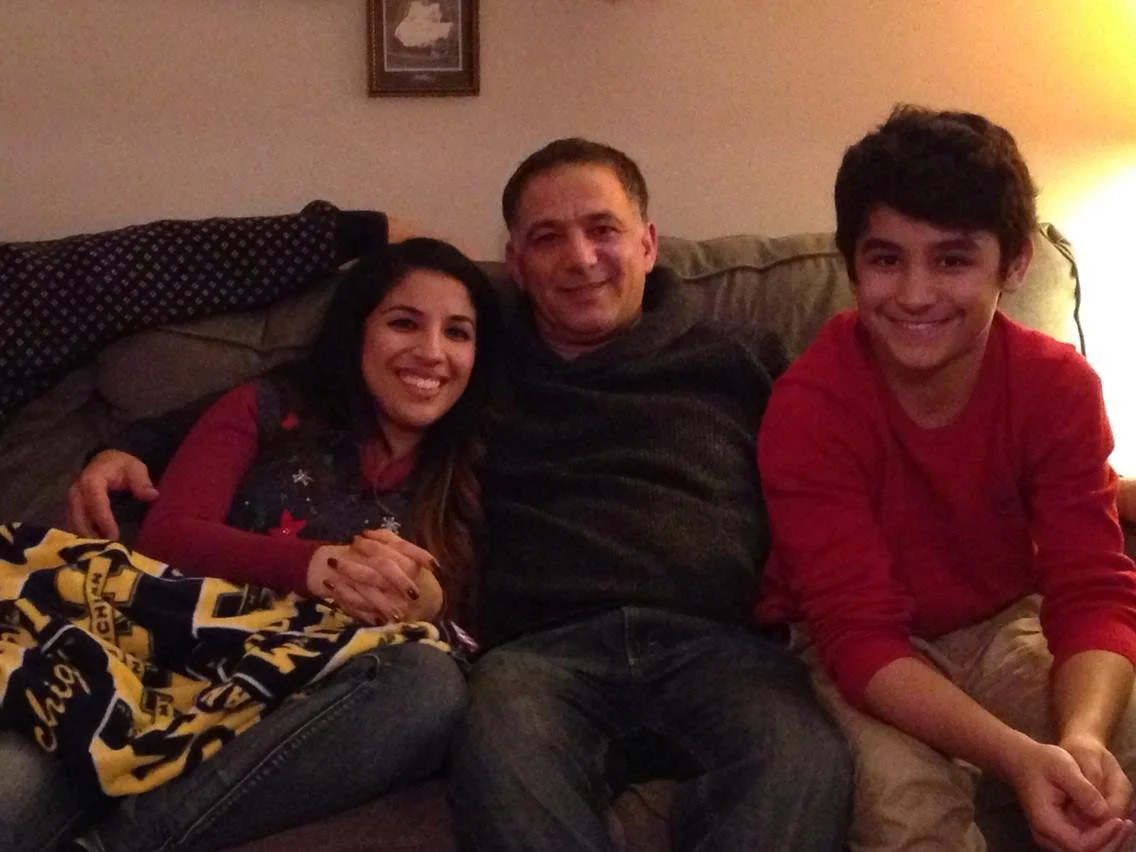
Danny was luminous.
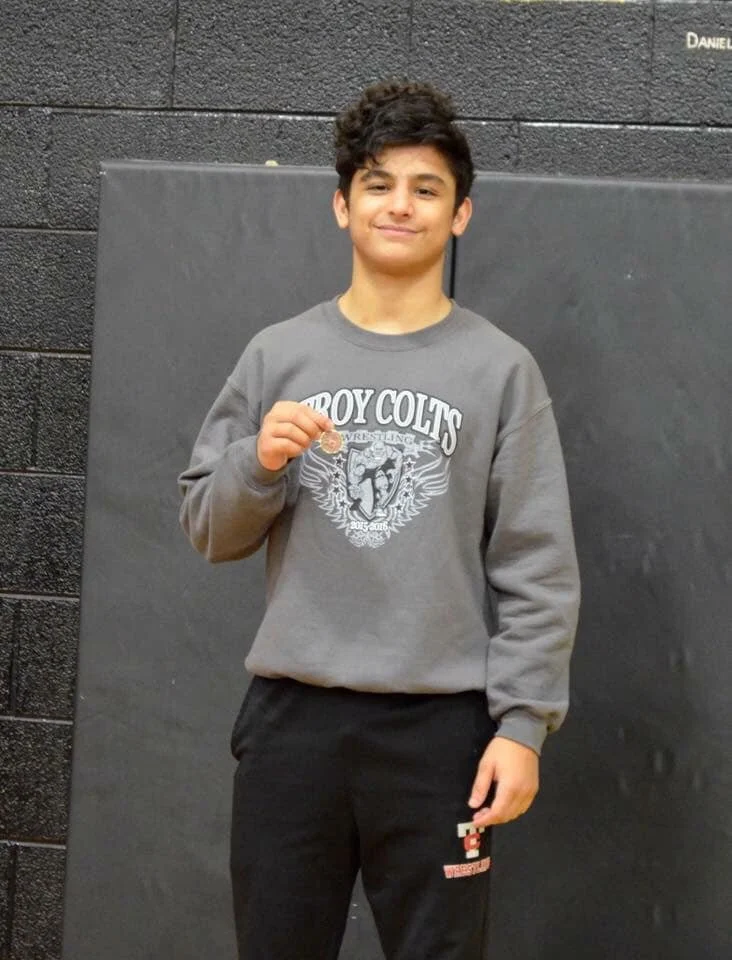
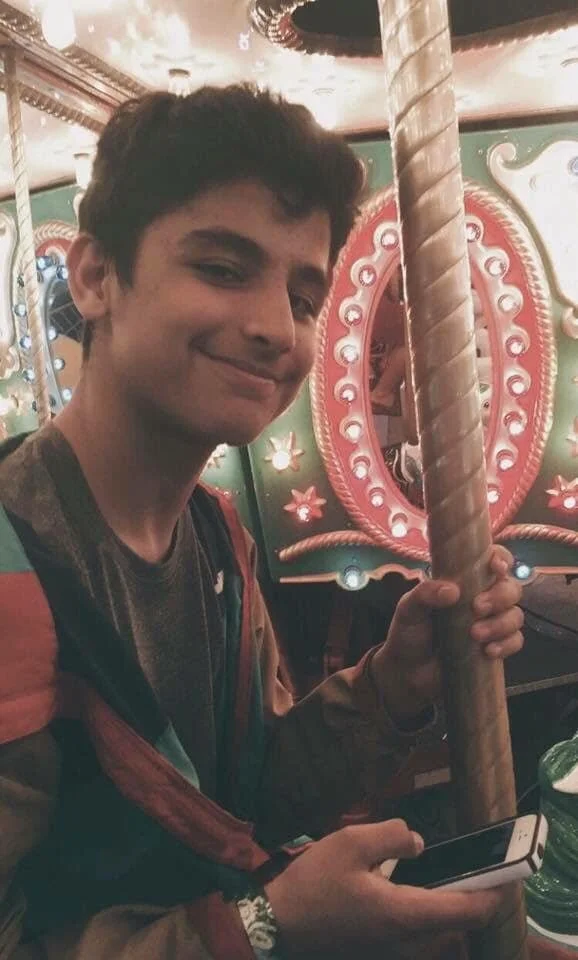
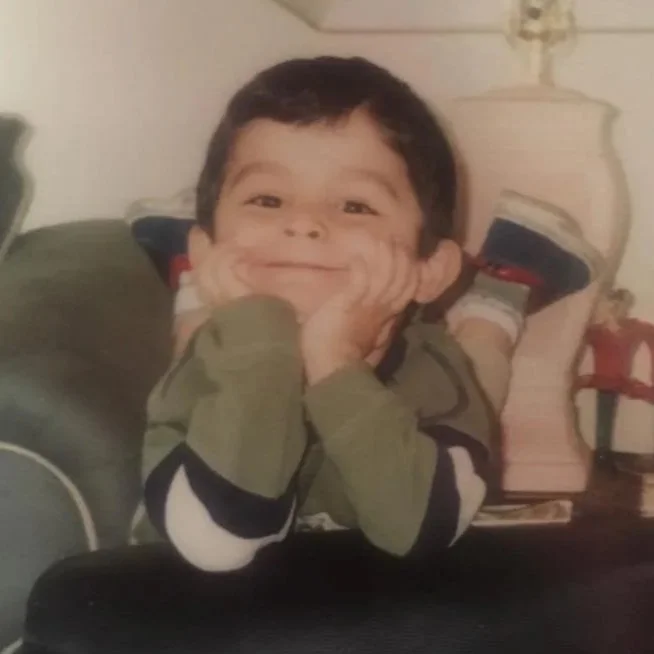
He had an instinct for joy, the kind that made people feel more present simply by being near him. He made others laugh easily, and he paid attention in a way that made them feel seen.
He loved music. He loved his friends. He rode his scooter everywhere and skateboarded whenever he could. He ate Nutella straight from the jar and considered Five Guys a staple. He was drawn to photography, poetry, art, fashion, and wrestling. He had a creative mind and a sensitive, observant heart.
Danny was defined by aliveness that still echoes in the people who knew him.
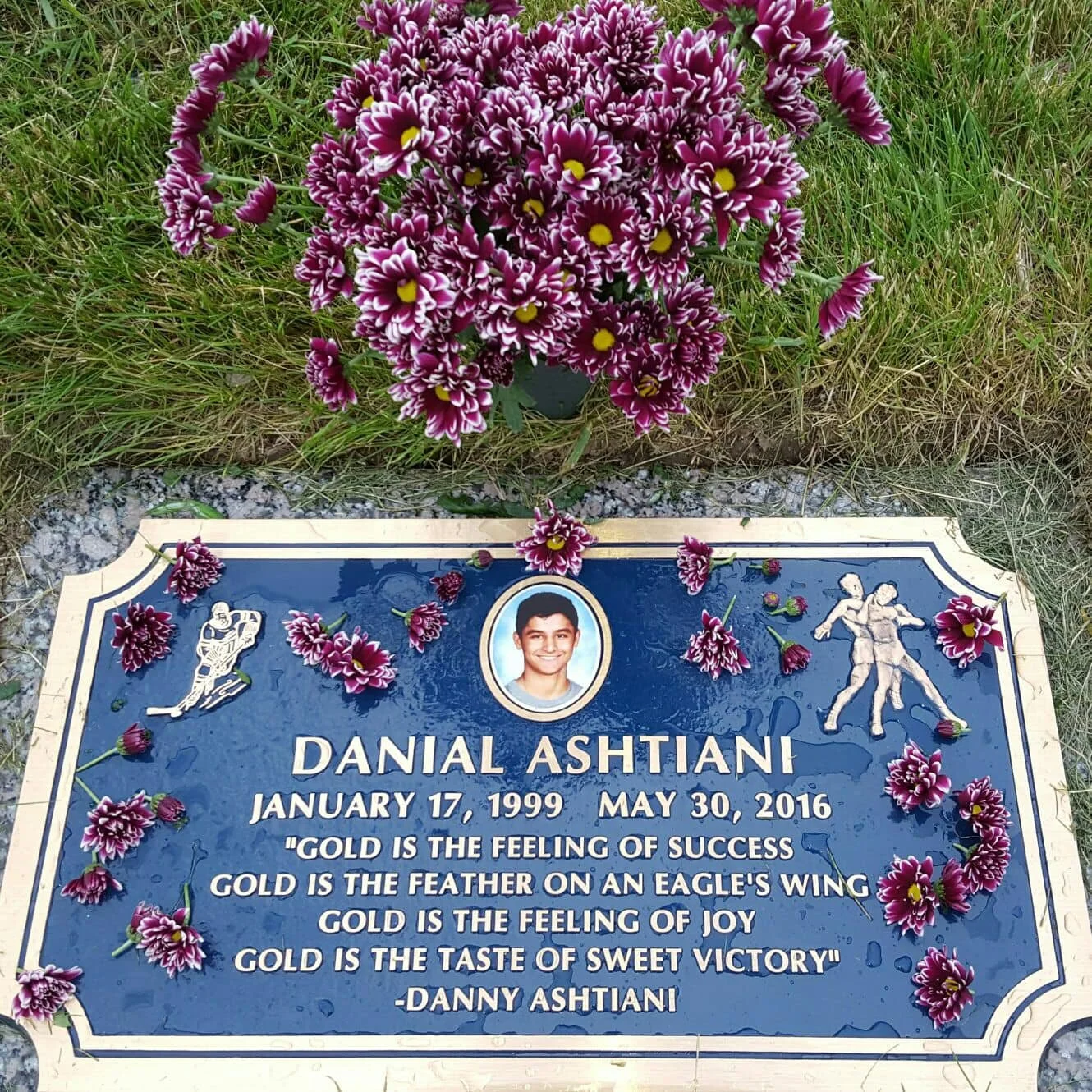
At seventeen, Danny died by suicide.
His death changed our family permanently. But it did not reduce him to a single moment, and it did not define the entirety of his story.
The Context
Immigration
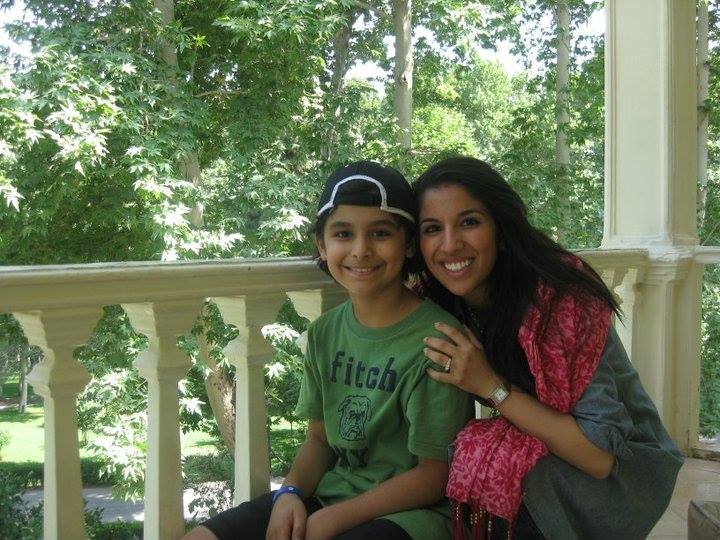
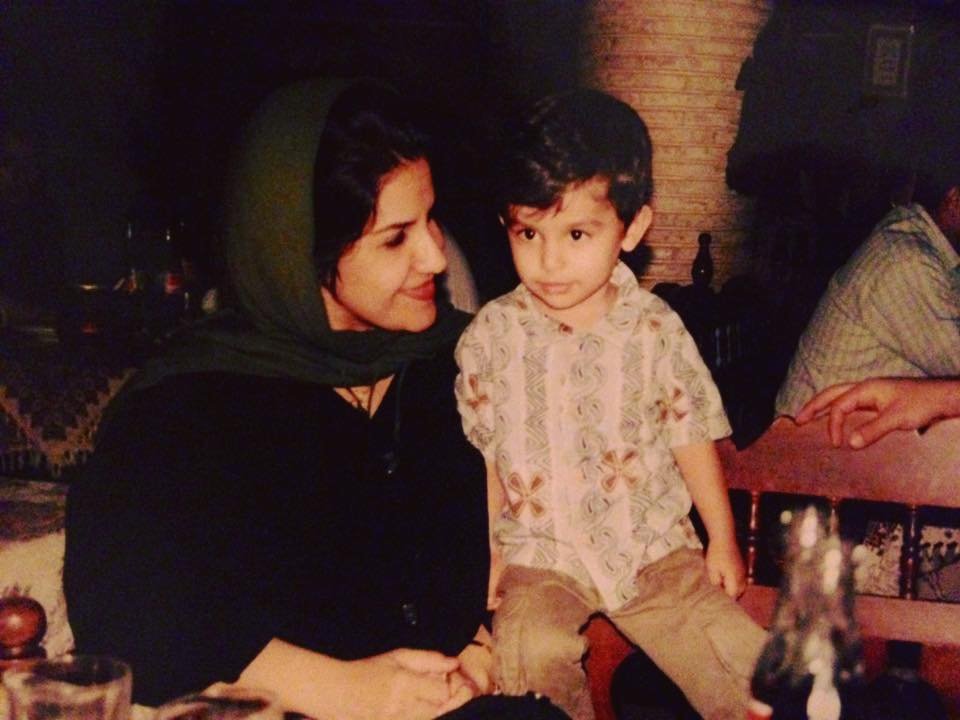
Our family immigrated to the United States when Danny was 2 years old, carrying both hope and strain. We were navigating a new language, a new culture, and unfamiliar systems while trying to build stability. Much of what we were holding was invisible: uncertainty, pressure to adapt, and the quiet, ongoing effort it takes to find your footing in a place that is not yet home.
Neurodivergence + System Gaps
Danny had ADHD, but we faced a system that didn’t know how to hold him. There was limited understanding of neurodivergence, especially in culturally responsive ways. Effective care was difficult to access. Schools were under-resourced. Insurance was restrictive. And support often came only after things had already reached a breaking point. We were doing our best in systems that were never designed for families like ours.
Research + Elevated Risk
In the years since, research has clarified what many families already knew intuitively: neurodivergent individuals, particularly those with ADHD and autism, face significantly elevated suicide risk compared to their neurotypical peers. They are also more likely to experience bullying, misdiagnoses, academic stress, chronic misunderstanding, and barriers to affirming care.
The question is not whether we loved Danny enough.
The question is whether the systems around him were equipped to understand him fully.
From Grief to Responsibility
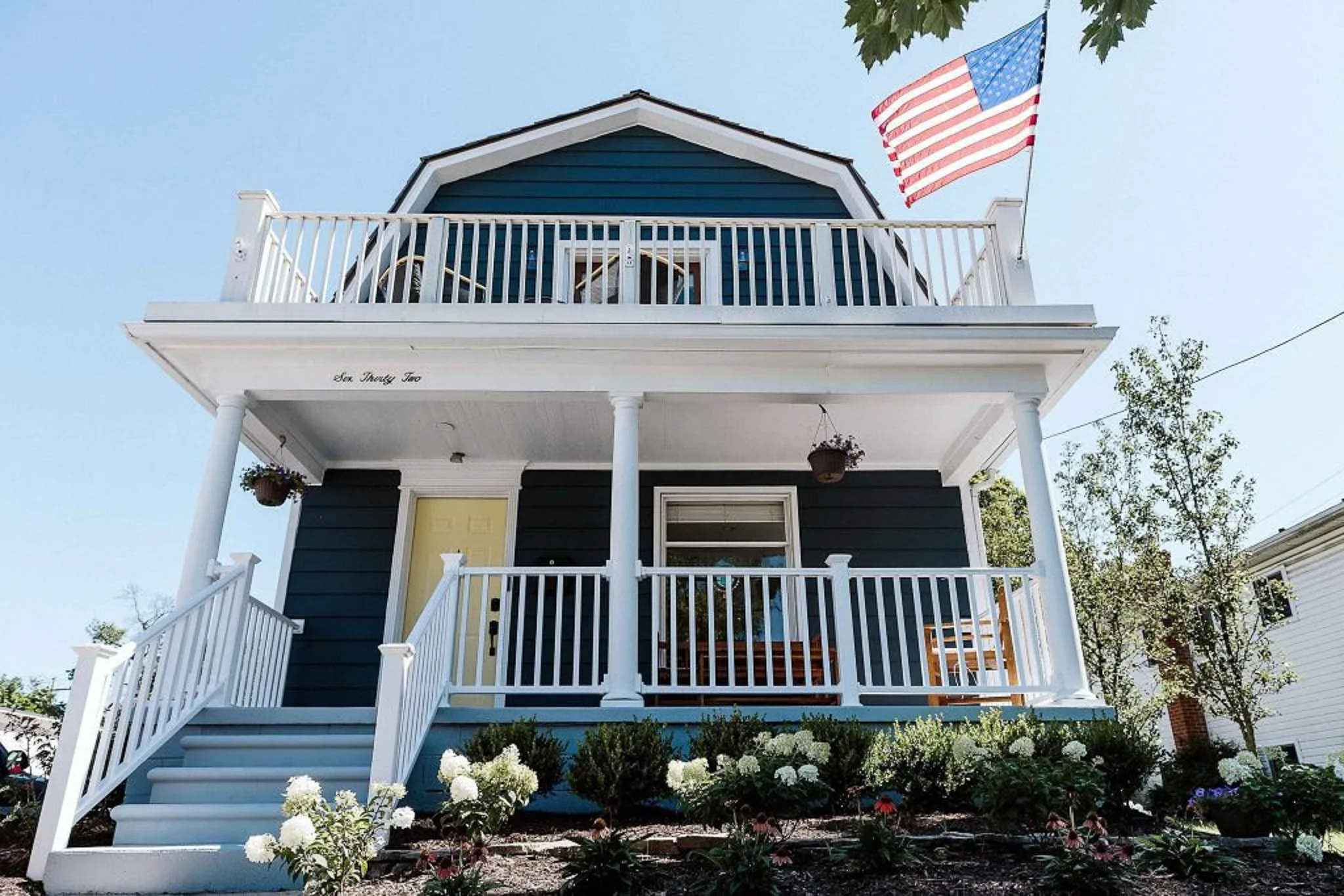
After Danny’s death, I felt broken, like something fundamental in me had been permanently altered. Grief reshaped how I moved through the world. It was the birth of my son, and becoming a mother, that gave me a reason to keep going. Not because the pain disappeared, but because I could no longer stay still inside it. I had to find a way forward.
Over time, my path began to take shape again. I finished graduate school and became a clinical psychologist. I founded the Mala Child & Family Institute with a commitment to trauma-informed, culturally sensitive, neurodiversity-affirming care. We built multidisciplinary teams, expanded services, and trained clinicians to do better than what we had experienced.
And yet, even with strong clinical care, we continued to encounter the same structural barriers:
Families overwhelmed by logistics and cost.
Children misunderstood in schools.
Parents navigating systems that required relentless advocacy.
Communities under-trained in neurodivergent mental health.
It became clear that therapy alone could not solve a systems problem.
The work needed to expand.

Why The Danny Boy Foundation Exists
The Danny Boy Foundation was created not only to remember Danny, but to respond to what his life revealed.
SUICIDE PREVENTION MUST BE:
Proactive.
Neurodivergent-specific.
Built for real life.
Designed for systems, not just individuals.
We believe prevention lives in:
• Schools that understand executive functioning differences
• Workplaces that reduce chronic masking
• Healthcare systems trained to recognize atypical presentations of distress
• Faith communities that cultivate belonging
• Accessible mental health care that affirms identity
• Practical supports that reduce daily instability
-
The Danny Boy Foundation is building integrated prevention through:
• Institutional training and systems consultation
• Pro bono and low-cost neurodiversity-affirming mental health care
• Food and diaper pantries
• Housing navigation and case management
• Resume workshops and practical stability supports
• Community partnerships rooted in dignity
We are designing environments where individuals do not have to mask, overcompensate, or fight to be understood. We are committed to doing this work with rigor, transparency, and long-term accountability.

Danny’s Legacy
Danny’s life was creative, joyful, complex, and deeply human. He deserved systems that recognized his strengths and supported his challenges without shame. This foundation is our commitment to building the world he deserved, and the world many families are still waiting for.
We cannot change what happened, but we can change what happens next.
And we can do so with integrity.