
IF YOU ARE IN IMMEDIATE DANGER, CALL OR TEXT 988 TO CONNECT WITH THE SUICIDE & CRISIS LIFELINE
SUPPORT IS AVAILABLE 24/7
IF YOU ARE IN IMMEDIATE DANGER, CALL OR TEXT 988 TO CONNECT WITH THE SUICIDE & CRISIS LIFELINE
SUPPORT IS AVAILABLE 24/7
IF YOU ARE IN IMMEDIATE DANGER, CALL OR TEXT 988 TO CONNECT WITH THE SUICIDE & CRISIS LIFELINE SUPPORT IS AVAILABLE 24/7 IF YOU ARE IN IMMEDIATE DANGER, CALL OR TEXT 988 TO CONNECT WITH THE SUICIDE & CRISIS LIFELINE SUPPORT IS AVAILABLE 24/7
Traditional suicide prevention models were not built with neurodevelopmental differences in mind. Effective prevention must evolve.
Neurodivergent Suicide Prevention
We focus on upstream, evidence-informed approaches that reduce risk before crisis escalates.

The Disparities Are Documented
Suicide remains one of the leading causes of death among young people in the United States.¹
Risk, however, is not evenly distributed.
A substantial and growing body of research demonstrates disproportionately elevated rates of suicidal ideation, attempts, and mortality among neurodivergent populations.²–⁶
These disparities are strongly associated with modifiable environmental, institutional, and service-level factors.


WHAT RESEARCH SHOWS:
Autistic individuals are several times more likely to attempt suicide than their non-autistic peers.² Autistic individuals without intellectual disability are up to 9 times more likely to die by suicide.³ Autistic women face particularly elevated mortality risk compared to neurotypical women.³
Individuals with ADHD demonstrate significantly increased lifetime suicide attempt risk across adolescence and adulthood.⁴ ¹¹
Emerging evidence also indicates elevated suicide risk among individuals with learning disabilities, tic disorders, and co-occurring neurodevelopmental and psychiatric conditions.⁵ ¹² Neurodivergent individuals with intersecting marginalized identities — including LGBTQ+ status, racial marginalization, and socioeconomic instability — face compounded vulnerability.
These findings have been replicated across countries and healthcare systems.² ³ ⁵ ⁶
Traditional suicide prevention models were not designed with neurodevelopmental differences in mind.
The response must evolve.
Elevated suicide risk among neurodivergent populations is strongly associated with environmental and systemic conditions.
Structural Risk Factors & Evidence Base

-
Neurodivergent youth experience significantly higher rates of peer victimization and bullying than their neurotypical peers.¹³ Meta-analytic research consistently links bullying to increased depression, self-harm, suicidal ideation, and suicide attempts.⁷ Chronic social exclusion functions as an independent risk factor.
-
Neurodivergent individuals frequently encounter environments that do not adequately accommodate executive functioning differences, sensory processing needs, or communication styles.
Research grounded in the interpersonal theory of suicide demonstrates that perceived burdensomeness and thwarted belongingness are central drivers of suicidal ideation.⁸ Repeated unsupported failure in school or work settings can contribute directly to these risk states.
-
Camouflaging behaviors (the sustained suppression of neurodivergent traits to conform to dominant norms) are strongly associated with increased depression and suicidality, particularly among autistic females.² ⁹ Chronic masking contributes to emotional exhaustion and identity incongruence.
-
Late-diagnosed autistic adults report significantly higher rates of depression and suicidal ideation compared to individuals identified earlier in development.¹⁰ Prolonged exposure to misunderstanding and unsupported differences compounds cumulative distress.
-
Individuals with ADHD demonstrate elevated suicide attempt risk across the lifespan.⁴ ¹¹ Executive dysfunction combined with chronic stress exposure increases vulnerability to impulsive self-harm behaviors.¹¹
-
Anxiety and mood disorders frequently co-occur with neurodevelopmental conditions and significantly compound suicide risk.¹²
Despite this, neurodivergent individuals face documented barriers to receiving mental health services appropriately adapted to their cognitive and sensory needs.¹⁴ Service access disparities represent modifiable contributors to risk.
Across studies and systems, elevated suicide risk among neurodivergent populations is closely linked to environmental mismatch, chronic invalidation, and structural gaps in care.



Where Traditional Prevention Models
Fall Short
Most suicide prevention models are designed for acute crisis.
They can be lifesaving — but reactive.
For neurodivergent individuals, this approach is insufficient.
Masking and Communication Differences: Risk may not be verbally disclosed due to masking or communication differences.⁹
Neurotypical Norming of Screening Tools: Standardized screening tools were normed on neurotypical populations and may underestimate vulnerability.⁵
Structural Contributors: Structural contributors (bullying, exclusion, institutional misalignment) are rarely addressed directly.⁷
Masking-Related Burnout: Masking-related burnout is not routinely incorporated into risk models.² ⁹
Fragmented Systems of Care: Fragmented systems reduce continuity of care.¹⁴
What Effective Prevention Requires
-
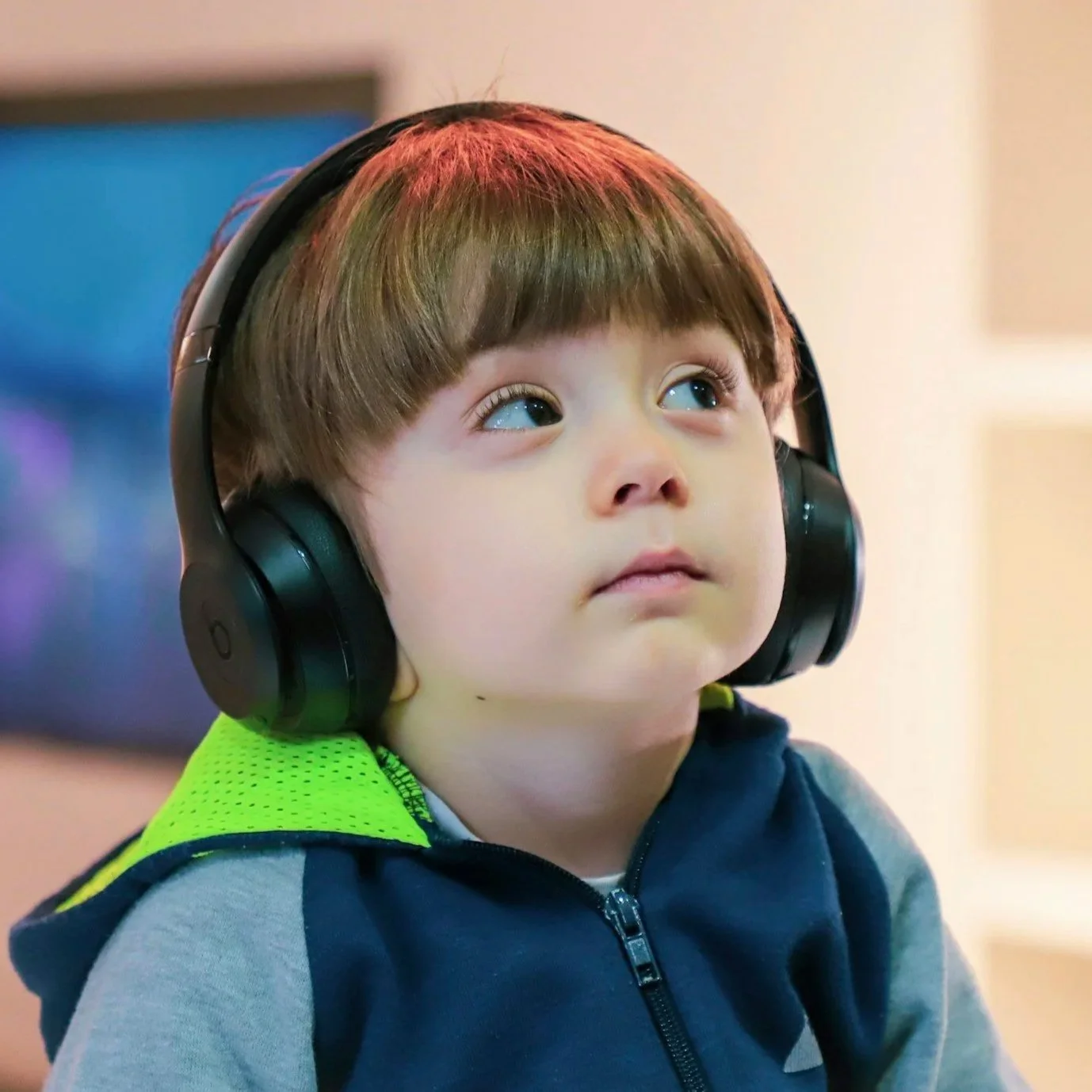
Early Identification
Delayed recognition is associated with increased depression and suicidality.¹⁰ Early identification, accommodation, and treatment reduce cumulative exposure to shame and exclusion.⁷ ⁸
-

Institutional Reform
Schools, workplaces, healthcare systems, and community institutions must implement structural accommodations that reduce chronic stress exposure and strengthen belonging.⁸
-

Neurodiversity Informed Care
Mental health professionals must be properly trained to identify neurodevelopmental profiles and adapt care to address masking and burnout, and treat co-occurring disorders within affirming frameworks.⁹ ¹²
-

Reduction of Chronic Masking Pressure
Masking carries measurable psychological cost and must be addressed within prevention strategies.² ⁹
-

Stabilization of Environmental Stressors
Environmental strain compounds suicide risk.⁷ ⁸ Stability strengthens protective factors.
-

Integrated Systems
Cross-system collaboration reduces fragmentation and improves continuity of care.¹⁴

Behind every statistic is a person, a family, and a story that should have unfolded differently.
We cannot change the past, but we can change what comes next.
Join us in creating systems that recognize, support, and protect neurodivergent individuals before crisis takes hold.
-
Centers for Disease Control and Prevention (CDC). (2023). Leading causes of death reports, United States. National Center for Health Statistics.
Cassidy, S., et al. (2018). Suicidal ideation and suicide plans or attempts in adults with autism spectrum disorder. The Lancet Psychiatry, 1(2), 142–147.
Hirvikoski, T., et al. (2016). Premature mortality in autism spectrum disorder. The British Journal of Psychiatry, 208(3), 232–238.
Chen, Q., et al. (2014). Drug treatment for ADHD and suicidal behavior. JAMA Psychiatry, 71(5), 514–521.
Hedley, D., et al. (2018). Suicide in autism spectrum disorder: A systematic review. Autism Research, 11(8), 1058–1074.
Septier, M., et al. (2019). Increased suicidal behavior in adolescents and adults with ADHD: A systematic review. Journal of Attention Disorders, 23(8), 847–857.
Holt, M. K., et al. (2015). Bullying and suicidal ideation and behaviors: A meta-analysis. Pediatrics, 135(2), e496–e509.
Van Orden, K. A., et al. (2010). The interpersonal theory of suicide. Psychological Review, 117(2), 575–600.
Livingston, L. A., Shah, P., & Happé, F. (2020). Masking and mental health in autism. The Lancet Psychiatry, 7(8), 684–692.
Lever, A. G., & Geurts, H. M. (2016). Psychiatric symptoms in late-diagnosed autistic adults. Autism, 20(6), 741–749.
Septier, M., et al. (2019). (ADHD suicide risk meta-analysis; see above).
Lai, M.-C., et al. (2019). Co-occurring mental health diagnoses in autism. The Lancet Psychiatry, 6(10), 819–829.
Wilson, A. M., et al. (2020). Mental health difficulties in young people with neurodevelopmental conditions. Child and Adolescent Mental Health, 25(4), 224–232.
Camm-Crosbie, L., et al. (2019). Barriers to mental health care in autistic adults. Autism, 23(6), 1431–1441.